
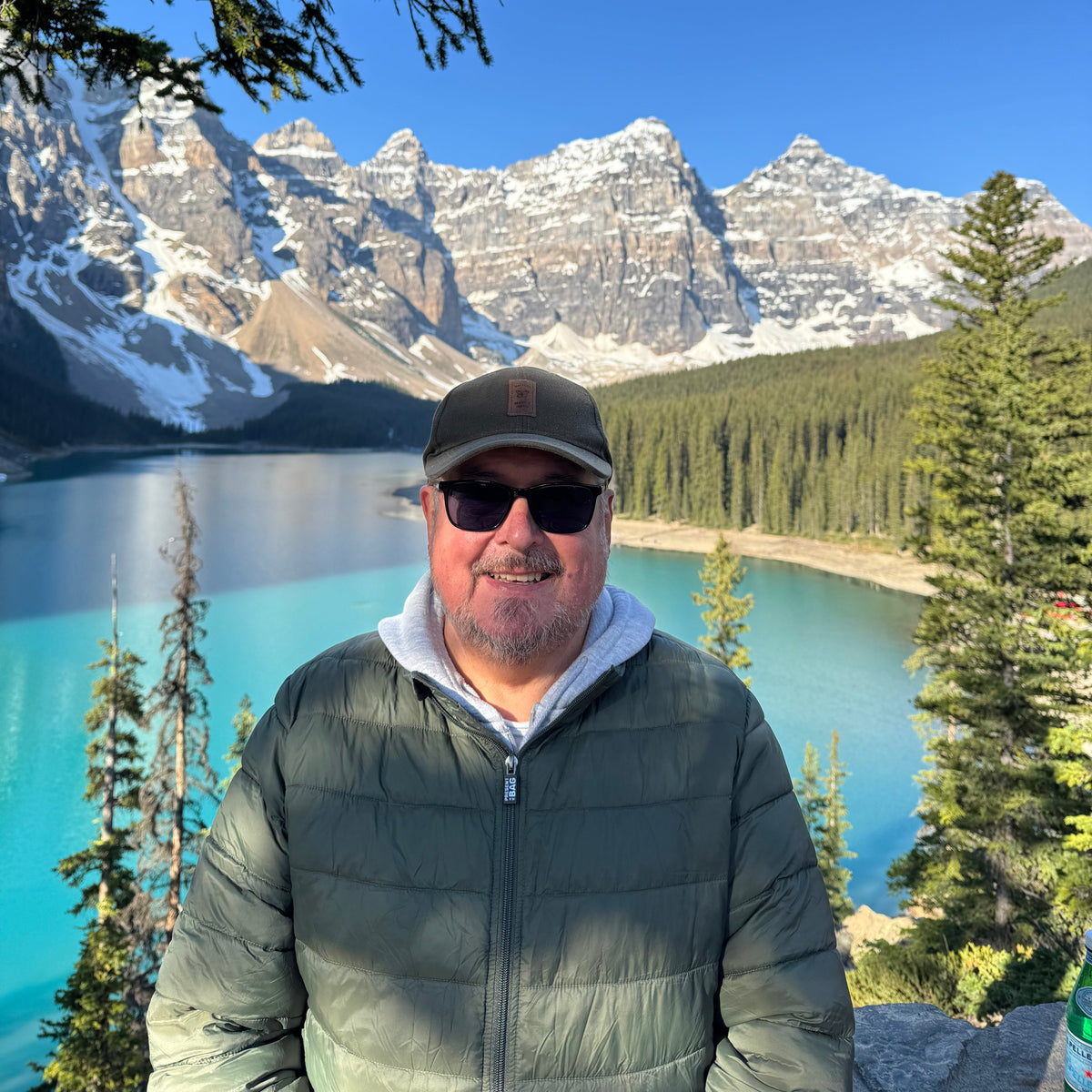
THE ARTIST
I do not follow a fixed motif. I follow the light, the places, and the moments that remain. My travels lead me to where observation, patience, and time come together to create an image.
More than a photograph
I am interested in the moment when a place changes. A mountain, a lake, a temple, or a skyline may have been photographed a thousand times. But the light, clouds, water, and atmosphere are never identical.
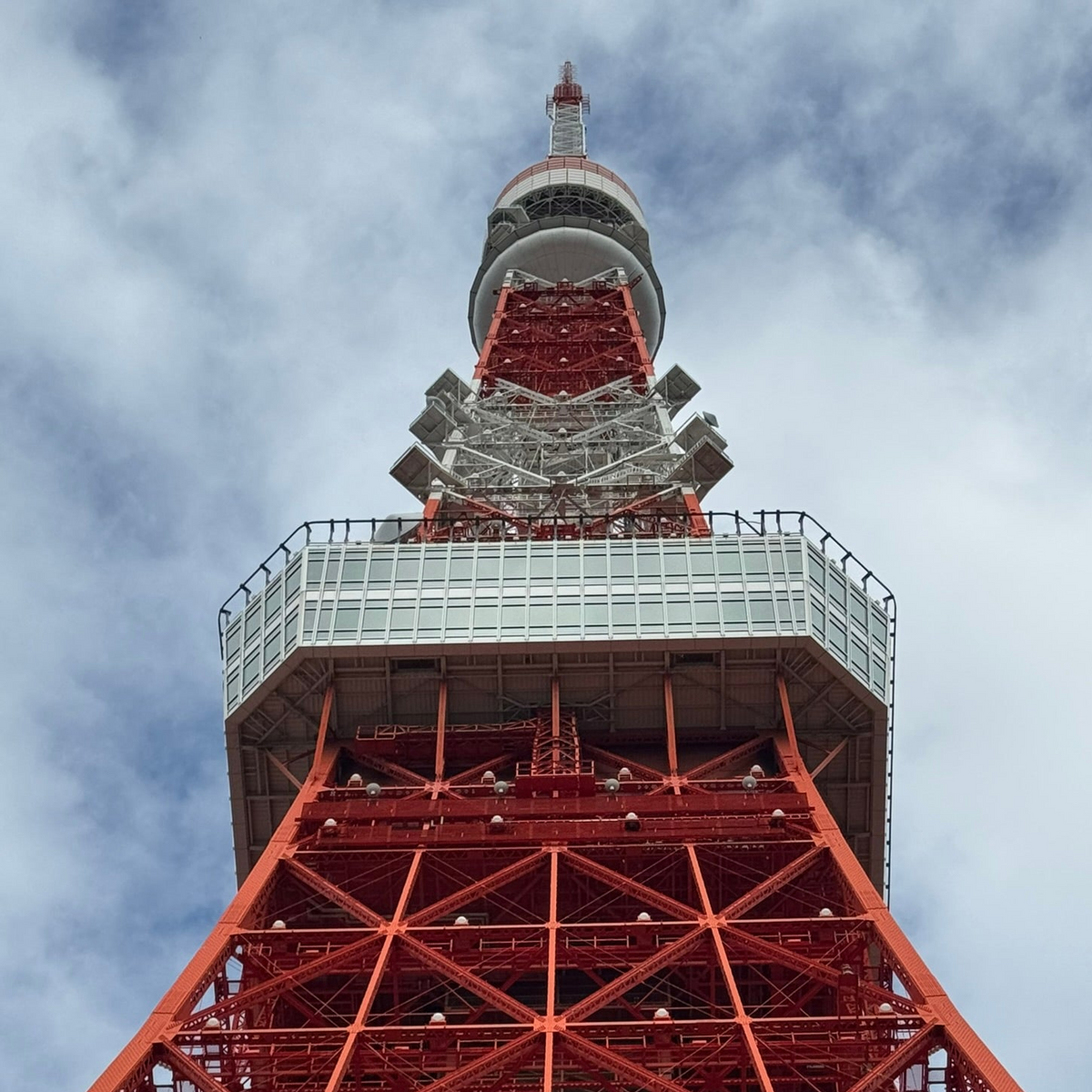
That is precisely where my search begins. My subjects range from the Canadian Rockies to Japanese temples, all the way to futuristic architecture and major cities. What connects them is not a specific genre. It is the light.
Light changes shapes, colors, and depth. That is why I do not simply document a place. I look for the constellation of perspective, weather, and light in which something special emerges. Sometimes I succeed. Sometimes I have to return.
For me, the place alone does not make the work. The decisive factor is the moment in which the light transforms it. That, for me, is Expedition in Light.
The search is part of the work
For me, a picture begins long before I set up the camera. I study maps, perspectives, weather, seasons, and the position of the sun. I consider when the light will come from which direction and where a composition might work. Then reality sets in. Clouds roll in. Wind changes the water. People get in the frame. The light doesn't appear. Then it’s time to wait, change something, or come back.
That is why I have visited locations multiple times – sometimes years apart. The same place can become a completely different picture depending on the season, weather, perspective, or a few minutes of different light. You can plan many things. You cannot order the decisive moment.
Sometimes you wait for hours. Sometimes for years. And sometimes, a few seconds make the difference. For me, therefore, the search is part of the work.


Not every recording becomes a masterpiece.
For me, taking the shot is far from finishing the image. On location, I often capture multiple perspectives, compositions, and exposure series. Afterwards, a second selection begins: Which perspective holds up? Which image lingers even after the first impression?
Not every good photograph becomes a work of art. Technical quality is a prerequisite, but not the deciding factor. I am interested in depth, calm, tension, light, and atmosphere. Only once the strongest composition has been found does the actual development of light, color, contrast, and tonality begin.
In doing so, I do not want to invent anything that did not exist on site. I want to make visible why this very moment stayed with me. Only then do I decide: This is a work of art.
A work should remain special
Once a photograph has become a work of art, I do not wish to reproduce it indefinitely. My works are intended as physical Fine Art pieces. For me, the material, format, and effect in a space are essential components. An image on a screen may show a work, but a large-format piece in a room has a different impact: details, surfaces, and depth change with distance.
Therefore, format and material are also part of the artistic process. I am equally deliberate in my decision to use limited editions. Each copy sold receives an individual edition number and a certificate of authenticity signed personally by me. For me, the limitation is not primarily a sales argument.
It follows my understanding of the work: when a photograph becomes a work of art, this piece should also remain special as a physical object.